
Introduction
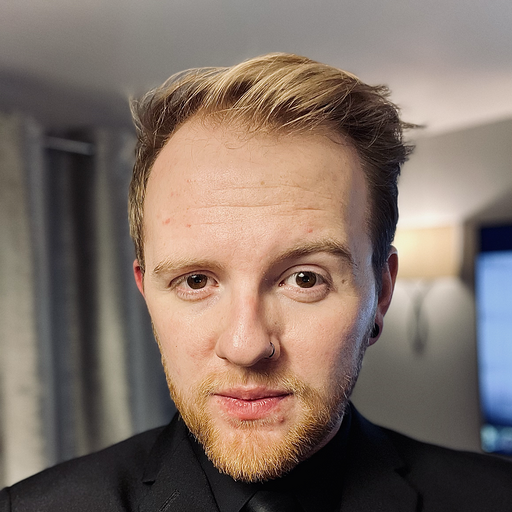
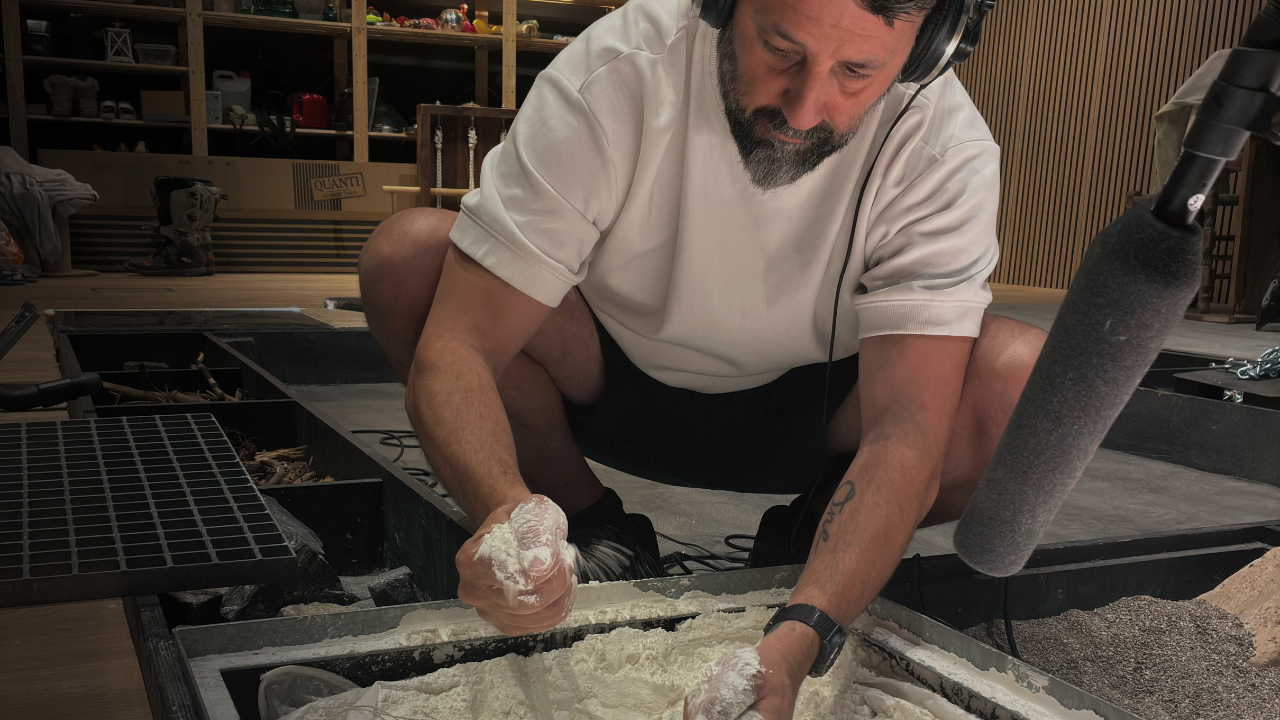
John Valasis is a sound designer and composer with over 20 years in music production and sound design. His work spans film, gaming and audio technology—he's worked with Meta, BBC, HBO, Native Instruments, Ableton and Roland. For the Geothermal & Doors pack, he spent weeks at Athens Film Sound experimenting with water, rain systems, contact microphones and unconventional recording techniques to build source material that became the foundation of everything in the pack.
We sat down to walk through how the sessions worked, what recordings made it to the final preset and why a film director's throwaway comment about "the best job in the world" might be the most accurate summary of this project.
Which of the source techniques ended up being the core building blocks, and which were dead ends?
The artificial rain and hail recording sessions became the biggest building blocks for this pack. They were techniques I was experimenting with for the first time and they generated a huge amount of unique source material that eventually found its way into multiple presets.
Another key element was the liquid recording sessions. The combination of the 500-litre water tank, bubbling experiments and different recording techniques gave us an enormous variety of textures that became the foundation of the geothermal category.
As for dead ends, there were quite a few recordings that never made it into the final pack. That's a normal part of the process. I often had to experiment with different materials and recording approaches before finding something that felt believable enough to become part of the final designs. Looking back I don't really see them as failures though. Even the recordings that didn't make the final pack helped shape the ones that did.
What were you contact-miking for the Geofón recordings, and what did that add compared to standard mic capture?
The LOM Geofón and Marshmallow Pro contact mic quickly became two of the tools I relied on the most throughout this project. I attached them to all kinds of surfaces: cooking pots while recording mudpots, the outside of the water tank for liquid recordings and even stones and chains when creating material for the Doors category. At the same time I was recording with conventional microphones such as the Schoeps CMIT 5 and the classic Sennheiser MKH 416, which we also use regularly for foley work at Athens Film Sound.
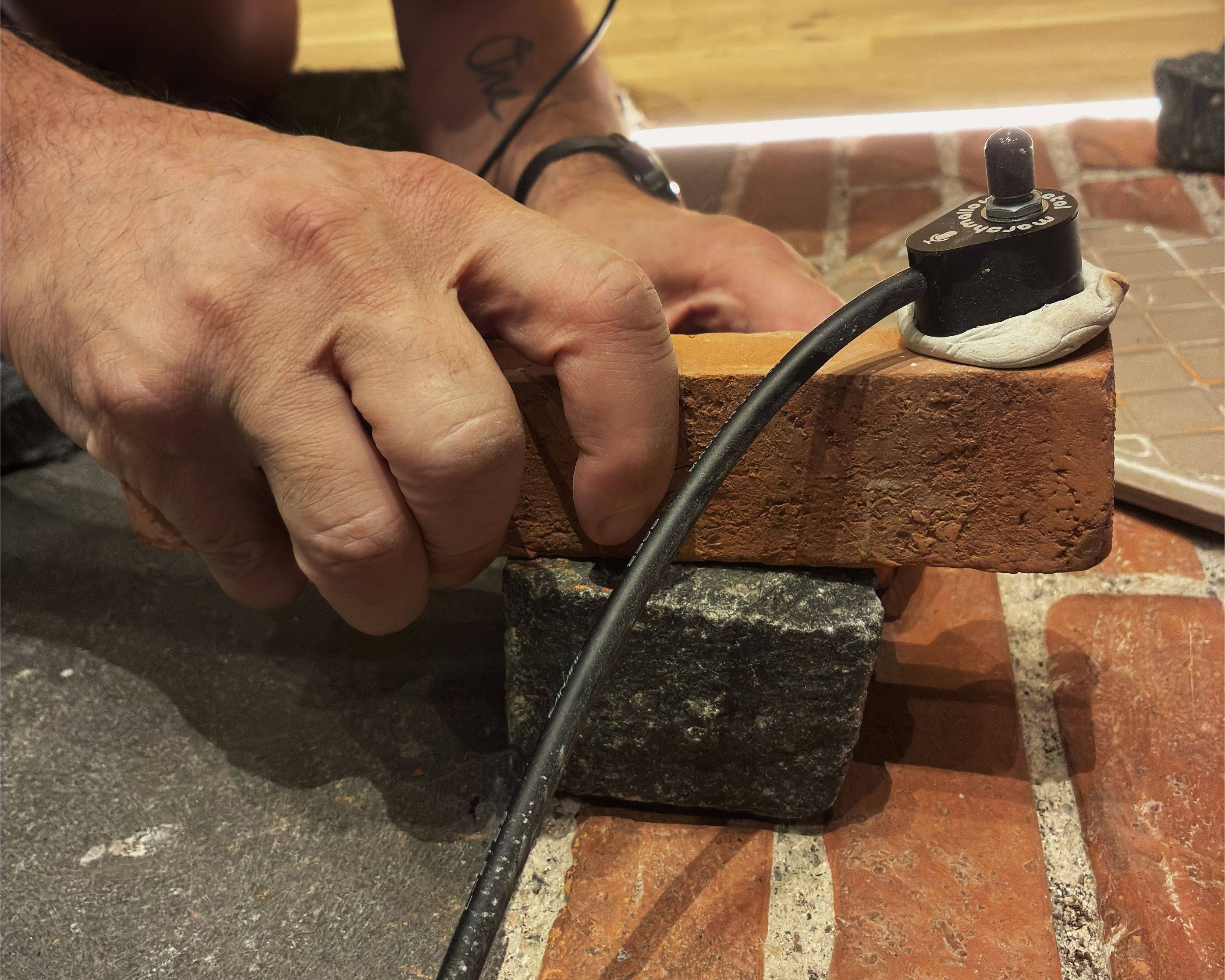
Recording every source with such different microphone perspectives gave me far more flexibility during the sound design stage. Contact microphones create an incredible sense of proximity, almost as if you're inside the sound itself. A good example is the Stone Door preset, where I attached a contact mic to a brick wall while slowly scraping a stone across it. That recording added a level of depth and physicality that I simply couldn't have captured with conventional microphones alone.
Walk us through a session where an experiment didn't go as planned but led somewhere better than intended.
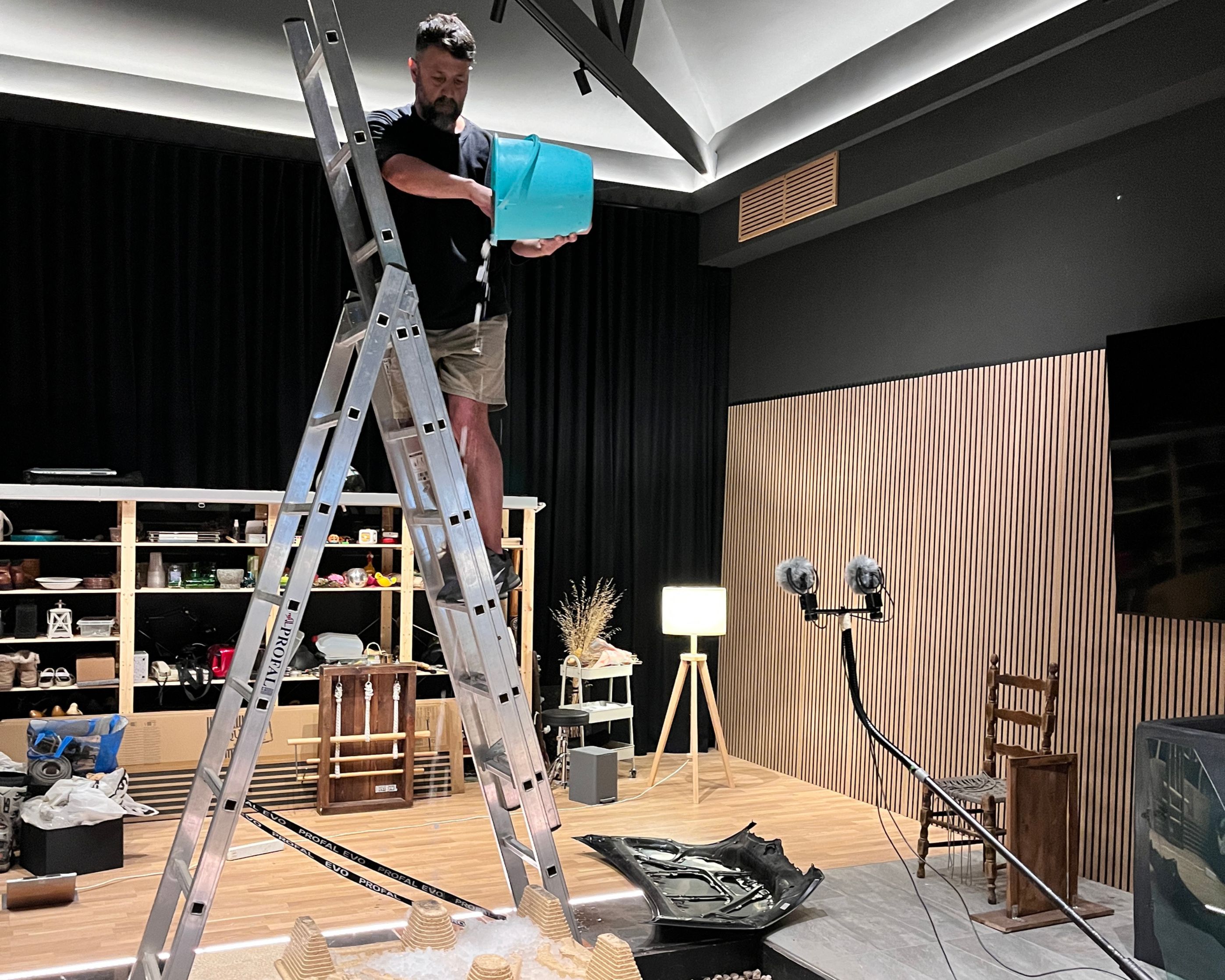
The most challenging recording session was creating artificial rain and hail. Our first attempt was far from convincing. Pouring water through a standard garden hose doesn't sound like rain at all. It just sounds like someone watering their garden.
We ended up testing countless shower heads and different nozzle sizes before finding something that produced a convincing rainfall. Between every attempt the studio's central pit filled with water and had to be completely drained before we could continue, which made the process slow but surprisingly rewarding.
To empty the pit we used a large water pump to send the water out into the street. While we were waiting for it to drain I remember thinking, "Why aren't we recording this?" That unexpected moment became some of my favourite source material from the entire project and parts of those recordings eventually found their way into the Whirlpool and Geo Thermal Movement presets.
How did you split the geothermal material into the Steam Vent and Mudpot performance templates in Krotos Studio, and what's the practical difference in use?
The Geothermal Movement preset is built around two players running simultaneously, creating a layered geothermal performance. One player combines Steam Vent and Lava Flow while the second combines Mudpot and Bubbling. I naturally found myself grouping the material into what felt like more open geothermal activity on one side and denser more enclosed movement on the other.
Running both players together creates a much richer and more believable result than any individual source on its own. It allows the user to perform complex geothermal environments in real time with subtle movement and variation rather than triggering isolated sounds.
How much of the Doors side of the pack came from the same geothermal source material versus separate mechanical or hardware recordings?
The Doors category was built primarily from dedicated recording sessions. I recorded a variety of large wooden and heavy metal doors in different buildings, always trying to capture them in their natural acoustic environment rather than recording them completely dry.
For example the Prison Door preset started with recordings of a heavy metal door captured from two perspectives simultaneously: a close microphone for all the mechanical details and mechanisms and a distant stereo omni pair to capture the building's natural reverberation. Those recordings formed the foundation of the preset.
From there it became a layering exercise just like the rest of the pack. Contact microphone and Geofón recordings of chains, metal components, stones and even soil were blended together with the original door recordings to create something much larger than reality. The goal was never to reproduce a real door but to create doors that feel monumental and cinematic.
Give a concrete example of a raw sound and what it became after processing.
One of my favourite examples is the Stone Door preset. It all started with very small, almost insignificant recordings: a stone slowly scraping across a brick wall. On their own those recordings sounded tiny and completely unremarkable.
Through layering, editing and processing those subtle textures became the foundation of a massive cinematic stone door. Additional recordings of chains, contact microphones and low-frequency Geofón layers gave it scale and weight but the original recordings are still there at its core.
That's the part of sound design I enjoy the most. You stop listening to sounds for what they are and start listening for what they could become. A simple texture recorded in the right way can evolve into something that feels completely larger than life.
What about the Athens Film Sound space specifically made this project possible?
Athens Film Sound was built for projects like this. More than any individual piece of equipment, what made the difference was having a space where experimentation comes first.
The large central foley pit allowed us to build artificial rain and hail systems while the 500-litre water tank became the foundation for many of the liquid recordings. Having dedicated recording spaces also meant we could leave complex setups in place, listen back immediately in the control room, make adjustments and keep refining ideas without constantly resetting everything.
I also think working in a purpose-built foley stage changes the way you approach recording. You're surrounded by different surfaces, props and materials, which encourages experimentation. Many of the sounds that ended up in the final pack weren't planned at all. They came from trying something unexpected simply because the space made it easy to do so.
For me that's exactly what Athens Film Sound is about: creating an environment where curiosity drives the recordings and experimentation drives the sound design.
What did a typical recording day look like, in terms of setup or rigging time versus capture time?
On most days the preparation actually took longer than the recording itself. We might spend hours building an artificial rain system, preparing the water tank, testing different materials or simply experimenting until something sounded convincing. Once we found the right approach the recording itself often happened quite quickly.
After each pass we'd return to the control room, listen back, refine the setup including microphone placement when needed and repeat the process until we knew we had captured something worth building a preset around.
Is there a specific unexpected moment from this pack that best captures why the recording sessions themselves were your favourite part?
I think it has to be the artificial rain session. It was the first time we had turned Athens Film Sound into a playground in an attempt to create convincing rainfall and hail. There was water everywhere, the central pit was constantly filling up and we were testing different nozzles, surfaces and recording techniques all day long. It probably looked more like a science experiment than a recording session.
At one point a film director came by the studio while everything was still soaked. He looked around, asked what we were doing and after I explained the project he just smiled and said, "Well, you probably have the best job in the world." I still remember that moment because it perfectly captured how much fun the entire process was.
That session also reminded us that almost anything is possible if you're willing to experiment enough. Some ideas fail, some succeed but every experiment teaches you something you can use in the next recording.
Was there a unifying creative brief from Krotos covering both categories, or did they develop independently and get bundled?
Although the Geothermal and Doors categories are very different on paper they actually shared the same creative philosophy from the beginning. The goal was never to recreate reality exactly but to create sounds that felt cinematic, expressive and enjoyable to perform inside Krotos Studio.
As the project evolved the two categories naturally started to influence each other. Some of the recording techniques, layering approaches and even source material found their way into both, giving the whole pack a consistent character despite covering very different subjects.
Whether you're opening a gigantic stone door or performing a volcanic mudpot the goal is the same: to give sound designers something that feels believable, expressive and genuinely fun to perform.
John Valasis is a composer, producer and sound designer with over 20 years of experience in music production and sound design. His work spans multiple disciplines, from composing and producing music across various genres to crafting immersive sound design for film, gaming and audio technology companies. He has collaborated with industry leaders such as Meta, BBC, HBO, Native Instruments, Ableton and Roland.
